Business Cycle Overview: 6983249588, 934030441, 604114941, 3330456007, 366288921, 120951367

Understanding the business cycle is crucial for navigating the complexities of the economy. You’ll notice how each phase—expansion, peak, contraction, and trough—affects various economic indicators and influences decision-making. As you analyze recent trends and data, consider how these fluctuations impact businesses and policymakers alike. The real question is, how can you leverage this knowledge to anticipate changes and make informed choices in your own strategies?
Phases of the Business Cycle
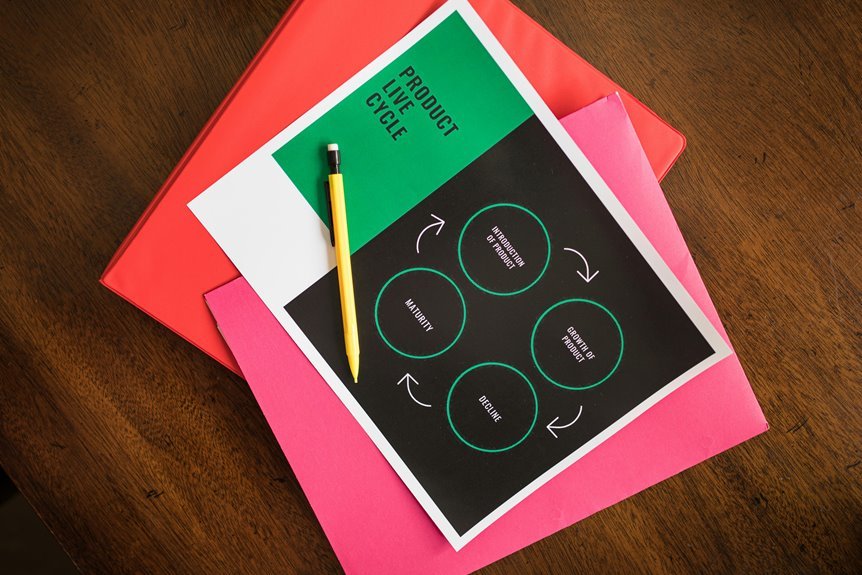
Understanding the phases of the business cycle is crucial, as it helps you anticipate economic shifts that can impact both personal and professional decisions.
The cycle consists of the expansion phase, peak period, contraction phase, and trough period.
Recognizing these cyclical fluctuations allows you to prepare for recession recovery, ensuring you’re ready to navigate the complexities of economic changes effectively.
Key Economic Indicators
Key economic indicators serve as vital signposts for evaluating the health of an economy.
You should pay close attention to inflation rates and employment statistics, as they directly influence purchasing power and job availability.
Recent Trends and Data Analysis
Recent data reveals significant patterns in economic activity that can shape future expectations.
You’ll notice that recent developments indicate a shift in consumer behavior, influencing overall economic forecasts.
Analyzing these trends can provide insights into market dynamics and investment opportunities.
Staying informed allows you to navigate potential challenges and leverage emerging prospects, ultimately enhancing your decision-making in today’s fluid economic landscape.
Implications for Businesses and Policymakers
As the economy shifts, businesses and policymakers must adapt their strategies to navigate the evolving landscape effectively.
You need to implement innovative economic strategies that align with current market trends. Policymakers should revise fiscal policies to encourage growth and stability.
Conclusion
In understanding the business cycle, you can better anticipate economic shifts and position your business for success. While some might argue that these cycles are unpredictable, recognizing patterns in expansion, peak, contraction, and trough allows you to adapt your strategies proactively. By leveraging key economic indicators and staying informed on recent trends, you can navigate fluctuations with confidence, ensuring resilience in your operations and informed decision-making that ultimately fosters growth, no matter the phase of the cycle.